
Adapting to a Changing Climate, One Home at a Time
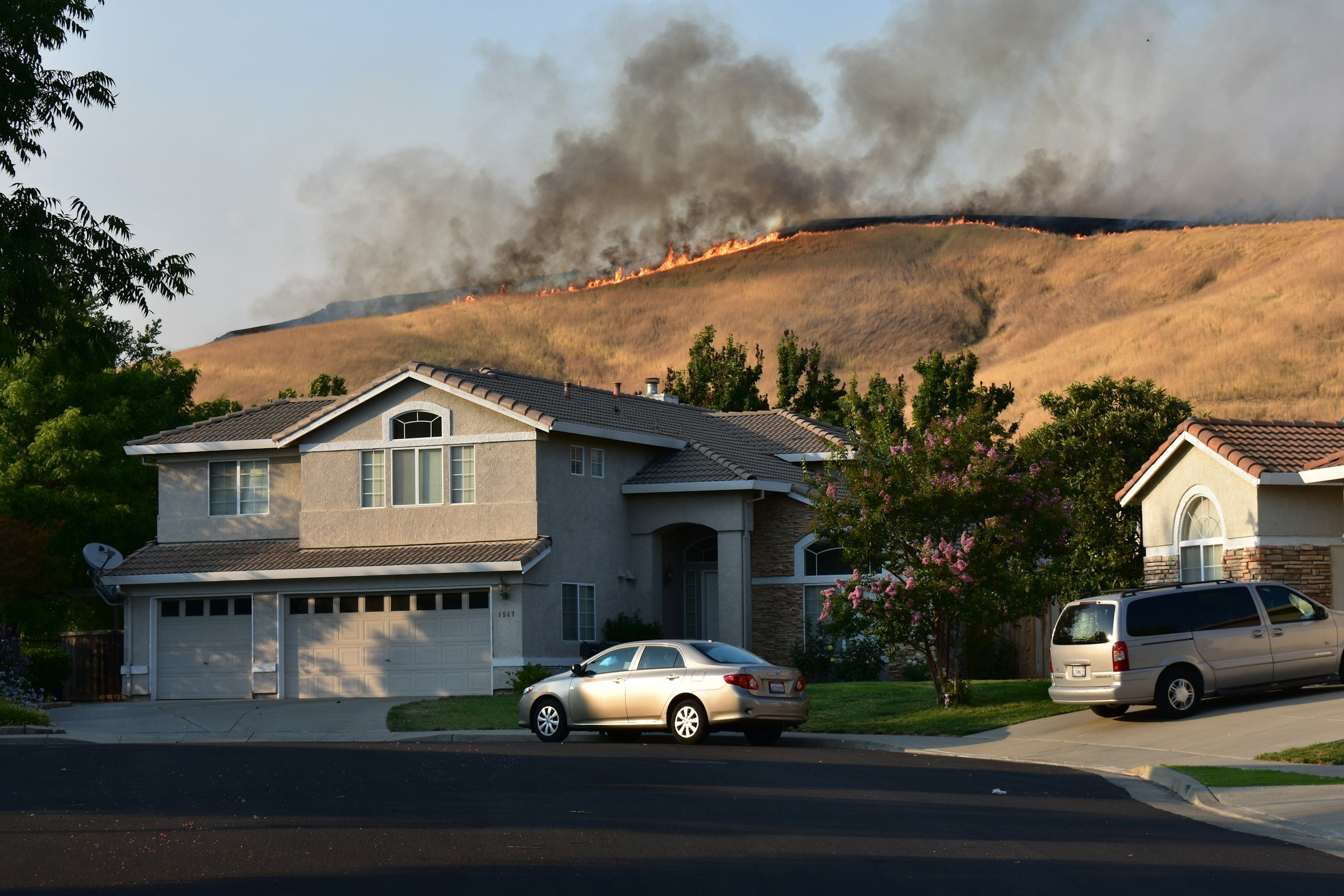
If you’ve lived in Southwest Colorado for any length of time, you’ve undoubtedly noticed some seasonal changes. Perhaps you lament the shorter and less predictable ski and boating seasons, recall the regular relief from summer monsoons, or find yourself reminiscing about a less traumatic, less intense fire season. And surely you feel it in the rising temperatures inside and outside your home.
You aren’t imagining it, temperatures are rising and we’re living through extreme drought. This summer has brought wildfire risk unlike anything in recent memory - right now, the Ferris fire is burning through Dolores and Montezuma counties and the Gold Mountain Fire is active and growing to our north, forcing our neighbors from their homes. Pair that with stretches of high heat, and a reliable, decades-old strategy - throw open the windows at night and let the cool air in - doesn't always serve us anymore. Sometimes the air outside is exactly what we want to keep out.
This is climate resiliency in practice: adapting the way we live, and the way we build and retrofit our homes and buildings, so our families and communities stay healthy and safe as conditions shift beneath us.
As a Regional Energy Coach with 4CORE, I talk with La Plata and Archuleta County residents daily about energy efficiency and electrification. While heating has traditionally driven those conversations, this summer the desire to cool and protect indoor air quality has become the main driver for people considering a heat pump.
The term ‘heat pump’ is misleading - they aren’t just uber efficient heating systems - they cool too and far more efficiently than window AC units or swamp coolers layered on top of a furnace. On hot smoky days, you can seal up your house, keep particulates out, and still stay cool - without cracking a window or doubling your utility bill.
This isn’t just about comfort: it’s about health, safety, and affordability as well. Clean air and cooling matter most for those most vulnerable - older adults, kids, people with asthma or heart conditions, and anyone in one of our region's many older homes that were never built with cooling - or tight sealing - in mind. Those homes leak air in both directions, so smoke gets in easily and cool air escapes fast. That's where insulation and weatherization becomes critical as well. Air sealing, attic insulation, and duct sealing aren't the most exciting part of this story, but they're what let a heat pump perform the way it should. A high-efficiency heat pump in a leaky house is working harder than it needs to. Pair the two, and you get a home that holds its temperature, resists smoke infiltration, and costs less to run all year.
4CORE is committed to helping our region adapt to our new climate reality in an affordable and accessible way. Climate resiliency isn't a distant concept here. Increasingly, it's about whether your home can protect you on the days you need it most.
If you're wondering whether your home is ready for what's ahead, that's exactly what I help residents and businesses figure out - reach out to me at https://www.fourcore.org/energy-efficiency.
