
Busting myths about beneficial electrification
by: Erika Brown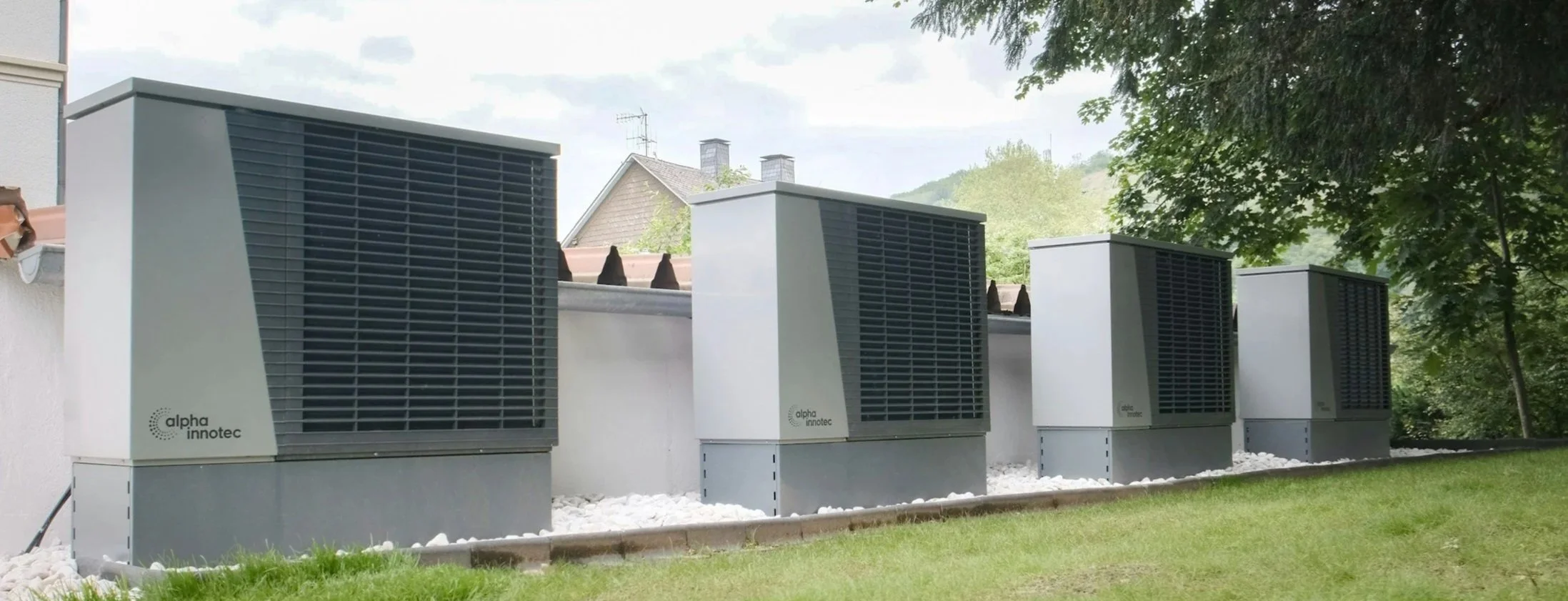
The term “beneficial electrification” is relatively new and therefore not widely understood.
The concept is simple: replacing direct fossil fuel use – natural gas, propane, gasoline – with electricity to cut emissions, lower costs and improve comfort, safety and grid resilience. For most homes, that means heating air and water with heat pumps, cooking on induction cooktops and driving EVs. Because it’s a newer concept, misinformation has crept in, so I want to help parse fact from fiction.
Myth 1: “Natural gas is clean, why switch?” Natural gas does seem clean – until you factor in the full picture. It’s mostly methane, roughly 80 times more potent than CO₂ over 20 years and leaks throughout the supply chain undercut its climate advantage. La Plata Electric Association is sourcing increasingly cleaner electricity, so an electric appliance installed today gets greener over its lifetime without you doing a thing. A gas furnace will always burn gas.Myth 2: “Electrification will break the grid.” Our grid needs investment, that’s true, and utilities nationwide are watching demand grow fast – mostly from data centers, not household appliances. EVs and heat pumps are a smaller lift: The grid was built for peak demand, so there’s unused capacity most hours of the day. Utilities are planning for electrification, and studies find this load manageable through targeted upgrades and tools like off-peak charging, storage and demand response.Myth 3: “It’s too expensive.” That’s changing fast. Heat pumps, EVs and batteries have all become more competitive, and rebates and financing are closing the upfront cost gap. LPEA estimates the average home switching from propane to a heat pump saves $550 to $1,250 a year and those on electric resistance heat save $700 to $1,700, but that doesn’t include the value of adding cooling. Driving an EV in Colorado saves about $1,000 to $1,500 a year on fuel alone, plus lower maintenance costs.Myth 4: “EVs are worse for the environment because of the battery.” Building an EV battery is energy-intensive and manufacturing emissions are higher upfront. But major lifecycle studies from MIT and the International Energy Agency consistently show EVs produce 60% to 70% fewer lifetime emissions than gas cars on the average U.S. grid – with a break-even point of just one to two years of driving. At end of life, most EV batteries retain 70% to 80% of their capacity, making them well-suited for a second life in home or grid storage. And modern recycling now recovers the vast majority of the critical minerals. Colorado passed the nation’s first law this year setting mineral recovery targets for EV batteries, phasing in a landfill ban by 2028.
Electrification isn’t just about swapping appliances – it’s a path to lower bills, cleaner air, and more resilient homes and communities, powered increasingly by local, clean energy. It’s good for our health and our neighbors, too: Burning fossil fuels indoors and around our neighborhoods contributes to pollution that affects us all, especially our most vulnerable community members.
If you’re curious about what electrification could mean for your home, join 4CORE and LPEA at one of our free Energy & Rebate Sessions at LPEA headquarters Durango: Sept. 15 (11:30 a.m. to 1:30 p.m. or 4 to 5 p.m.) or Oct. 7 (8 to 9:30 a.m. or 11:30 a.m. to 1:30 p.m.).
