
’Tis the season of elections. Some people love it; others tune out. “I hate politics” becomes a common refrain, and not without reason.
But we also love our democracy, so let’s not throw the baby out with the bathwater. A democracy reflects our values only if we show up.
Consider climate change. Yale researchers find that nearly two-thirds of Americans want Congress to do more about it. So why does it so often land near the bottom of our leaders’ priorities? Partly because leaders respond to people who vote, and research by the nonpartisan Environmental Voter Project shows that people who care most about the environment vote at lower rates.
I get it. If you don’t live in a swing state, it’s easy to dismiss your vote. But margins can be incredibly thin. In 2022, Lauren Boebert won her congressional seat by 546 votes out of more than 300,000. In 2023, a Durango City Council seat was decided by four votes, in an election where only about a third of registered voters cast ballots.
Local officials decide whether to invest in energy efficiency and renewable power, wildfire mitigation, flood protection and storm drains. Ballot measures can pass or fail by slim margins and shape daily life for your family.
But democracy isn’t just about voting. Regardless of who wins, we can still help steer decisions. The city of Durango is seeking public input on its comprehensive plan, a blueprint for energy, housing, water and economic development for years to come. It will determine whether the city follows through on its climate commitments and plans for long-term resilience.
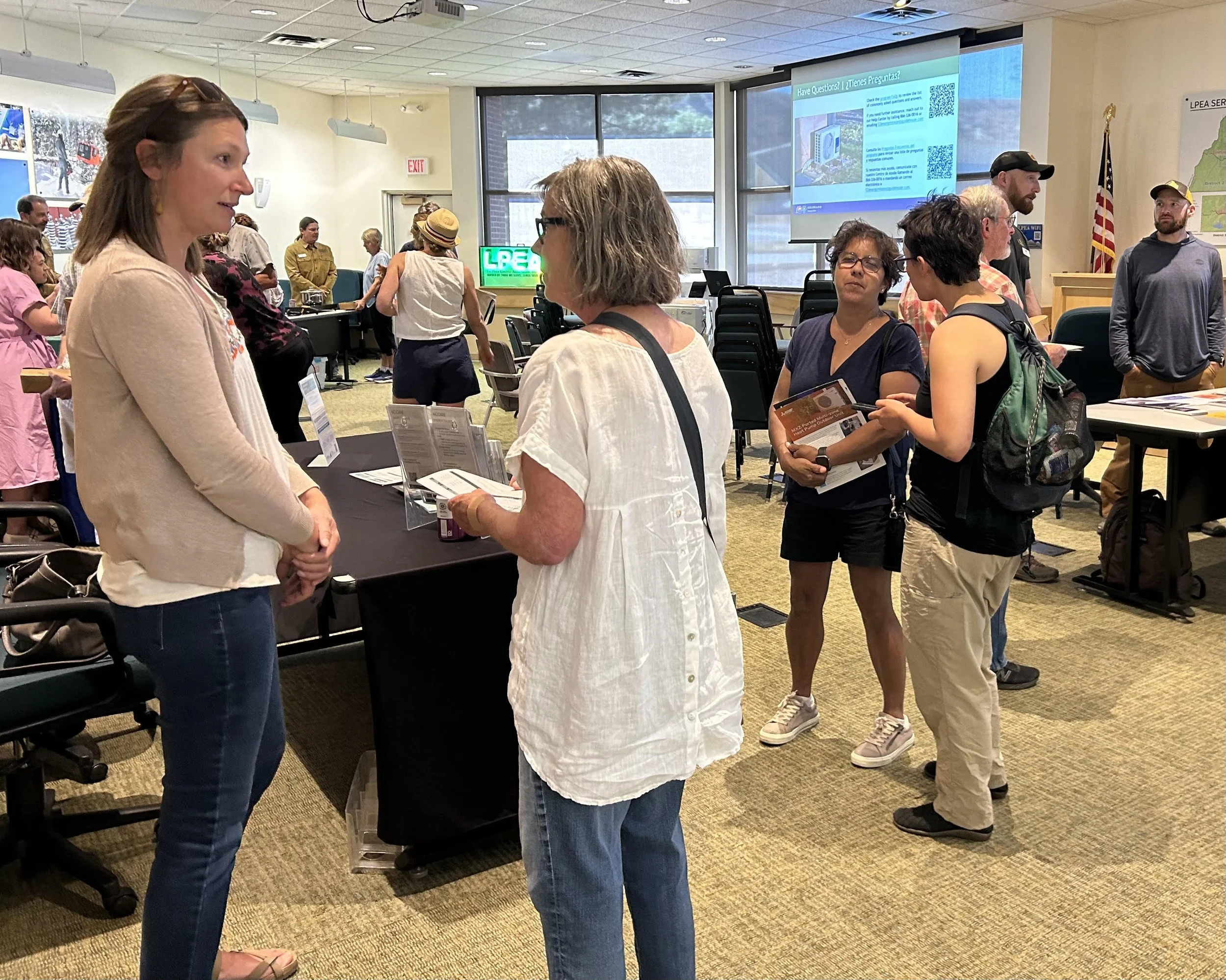
Community members connect and learn about local energy resources at an outreach event.
Which brings us to energy democracy: the idea that the systems producing and distributing our energy should be controlled by the communities that depend on them, not by distant corporations. When people rather than profits drive the decisions, the benefits and burdens are more likely to be shared fairly, including with low-income families, communities of color and the fossil fuel workers who have long carried the heaviest costs.
Here, we already have a version of it. La Plata Electric Association is a cooperative owned by its members. That’s us. In April, LPEA left its long-term contract with wholesale supplier Tri-State and joined a regional energy market and is realizing lower costs, lower emissions and more local control. That choice was made by a board we elect. In a world of rising energy costs and communities divided about where energy projects should go, that is no small thing. That is democracy working.
Yet in this spring’s board election, only about 1 in 5 members voted. Four out of five owners left their say on the table.
So, yes, vote in this election. If you live in Durango, vote again in the city election in April, fill out your LPEA ballot this spring, and repeat next November. Comment on the city’s comprehensive plan, scan the public meetings listed on the Herald’s website for one worth attending and make some time to talk with your elected officials. They can’t consider experiences or perspectives they never hear about.
